Category: Media

  • How to Create Multiple Streams of Income in 2025

    In 2025, depending on a single paycheck is risky. Many people are learning how to create multiple streams of income to gain financial stability and independence. With the rise of digital tools and platforms, you can now earn from various sources without quitting your main job.

    Why You Need Multiple Income Streams

    Creating more than one income source helps you stay financially secure. If one stream slows down, others can keep you going. It also allows you to build wealth faster and reduce financial stress.

    1. Freelancing

    Turn your skills into income. Offer services like writing, design, video editing, or programming on platforms like Fiverr, Upwork, or Freelancer. You choose your clients, your hours, and your rate.

    2. Digital Products

    Create and sell digital goods such as ebooks, online courses, templates, or printable planners. Once made, these products can sell repeatedly with no extra work. You can sell them on Gumroad, Etsy, or your website.

    3. Affiliate Marketing

    Promote other people’s products using your blog, YouTube, TikTok, or social media. When someone buys through your link, you earn a commission. Choose trusted products that match your audience.

    4. Investing in Stocks or Funds

    Start small by investing in the stock market or ETFs. You can earn through dividends and long-term growth. Apps like Chipper Cash or Bamboo make it easy to begin with little capital.

    5. Real Estate or Property Rental

    If you can afford to invest, real estate can offer a stable income through rent. Alternatively, invest in REITs (Real Estate Investment Trusts) for property income without owning a house.

    6. Monetize Social Media

    With good content, you can earn from ads, brand deals, or viewer support. Platforms like YouTube, TikTok, and Instagram pay creators based on reach and engagement.

    7. Start an Online Store

    Sell physical or dropshipped products online using Shopify, WooCommerce, or Jumia. You don’t need to hold stock, and you can run your store from home.

    8. Mobile Money Services

    Act as an agent for mobile money platforms like M-Pesa or Airtel Money. Offer cash-in and cash-out services, sell airtime, or help users send money.

    9. Blogging or Podcasting

    Share what you know through articles or podcasts. Monetize with ads, affiliate links, or subscriptions. While it takes time, it can become a steady source of income.

    10. Build a Side Hustle

    Turn a hobby into income. This could be baking, photography, online tutoring, or even selling second-hand clothes. Start small and grow gradually.

    Final Thoughts

    To succeed in 2025, consider building multiple streams of income that match your skills, time, and budget. Start with one idea, stay consistent, and keep learning. Over time, these streams can grow into a strong financial foundation.
  • Building a Media Kit That Converts

    Building a Media Kit That Converts

    A well-designed media kit that converts is a powerful tool for getting press attention, attracting sponsors, and forming brand partnerships. Whether you’re a startup, influencer, or established business, your media kit tells your story, highlights your achievements, and positions you as a credible brand worth featuring.

    What Is a Media Kit?

    A media kit is a digital or printable package that contains essential information about your brand. It helps journalists, influencers, investors, and potential partners understand who you are, what you do, and why you matter.

    Why You Need One

    • Makes press coverage easier
    • Attracts collaborations and sponsorships
    • Positions your brand as professional
    • Saves time during outreach
    • Increases credibility and visibility

    In short, a strong media kit that converts opens doors.

    What to Include in Your Media Kit

    To be effective, your media kit should be simple, professional, and persuasive. Here’s what to include:

    1. Brand Overview

    A brief description of who you are, what your brand does, and your mission or vision.

    2. Key Statistics

    Include social media following, website traffic, downloads, customer reach, or press coverage numbers.

    3. Team Bio or Founder Info

    Introduce your founder(s) or team leaders with short, professional bios and high-quality headshots.

    4. Press Mentions or Testimonials

    Showcase any media features, awards, or quotes from clients that build your credibility.

    5. Services or Product Highlights

    Highlight your main offerings or hero products with images, short descriptions, and value propositions.

    6. Audience Demographics

    If applicable, share insights about your target audience—age, location, interests, or behaviors.

    7. Contact Information

    Include direct contact details for your PR or media rep. Make it easy to connect.

    8. Downloadable Assets

    Provide logos, product images, screenshots, or promo videos in high-resolution formats.

    Design Tips for a High-Converting Media Kit

    • Use brand colors and fonts
    • Keep layout clean and skimmable
    • Use high-quality visuals
    • Include clickable links if digital
    • Optimize it as a PDF and web-friendly format

    You can also create a media kit landing page on your website for easy sharing.

    When to Share Your Media Kit

    • During press outreach
    • When pitching sponsors or advertisers
    • On your “About” or “Press” webpage
    • In email pitches to journalists
    • After media or podcast requests

    Final Thoughts

    A media kit that converts speaks for your brand before you ever get on a call. It makes a strong first impression and gives media professionals everything they need to feature you with ease. Build it once, update it often, and watch the opportunities roll in.

  • How to Position Your Brand Through Media Coverage

    How to Position Your Brand Through Media Coverage

    In a crowded market, how you position your brand through media can shape public perception, build authority, and increase trust. When done right, media coverage doesn’t just spread awareness—it defines your brand in the minds of your target audience.

    Start With a Clear Brand Message

    Before reaching out to the media, clarify your brand’s mission, voice, and value. What makes your company different? What problems do you solve? Media outlets are more likely to cover a brand with a strong, focused identity.

    Tip: Create a short brand positioning statement and use it consistently in every press interaction.

    Use Newsworthy Angles

    Media coverage starts with a good story. Offer something timely, unique, or relevant to the audience of each outlet. Avoid overly promotional content. Instead, focus on:

    • Industry trends
    • Innovation or disruption
    • Human interest stories
    • Social impact

    These angles make your brand more appealing to journalists and editors.

    Build Relationships With Journalists

    Reach out to media professionals before you need them. Follow their work, comment thoughtfully on their stories, and connect on platforms like LinkedIn. A strong relationship increases your chances of being featured when the time comes.

    Use Press Releases Strategically

    Well-written press releases are a core tool to position your brand through media. Make sure your release includes:

    • A compelling headline
    • Clear and factual content
    • A strong quote
    • Contact details
    • Links to more info

    Include visual assets like high-res logos or short videos to increase pick-up.

    Be Available and Authentic

    If a journalist contacts you, respond quickly and be honest. Offer your founder or spokesperson for interviews. Real voices from your brand give your message personality and authority.

    Leverage Thought Leadership

    Position your CEO or subject experts as thought leaders. Offer op-eds, expert commentary, or guest columns in reputable media outlets. This establishes credibility and ensures your brand stays visible even outside product news.

    Amplify Media Mentions

    Once you’re featured, don’t stop there. Share the coverage on your website, blog, social media, and email newsletters. This increases your reach and shows your audience that your brand is trusted by the press.

    Final Thoughts

    To position your brand through media, focus on clarity, relevance, and consistency. Media coverage shapes perception—so use it to tell your story, show your value, and build long-term trust. In today’s PR landscape, earned media remains one of the most powerful tools for strategic branding.

  • The Role of Digital Billboards in Modern Advertising

    The Role of Digital Billboards in Modern Advertising

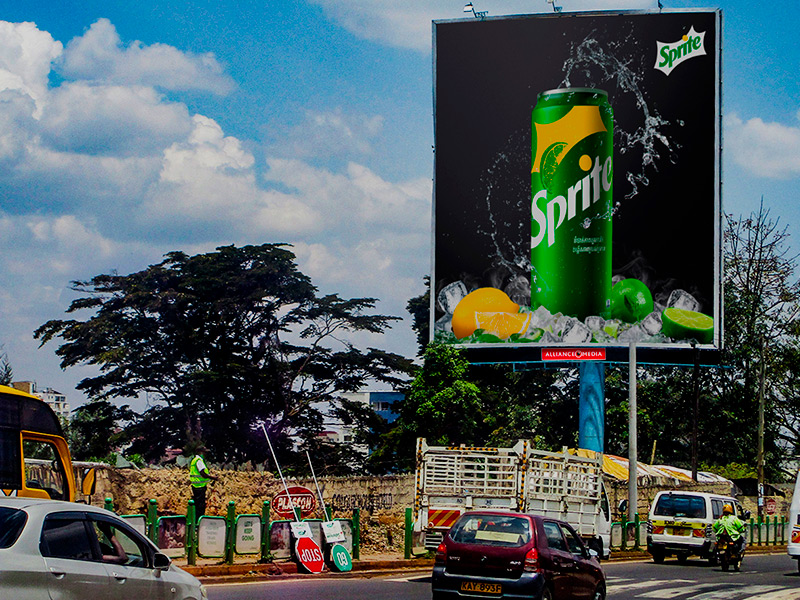
    Digital billboards advertising is revolutionizing how brands reach audiences in real time. In today’s fast-paced world, businesses need dynamic, attention-grabbing ways to stand out. Digital billboards combine technology and creativity to deliver high-impact campaigns in public spaces.

    Real-Time Messaging

    Unlike traditional billboards, digital versions allow brands to update their messages instantly. Whether it’s a flash sale, weather-based promotion, or breaking news, companies can change content with a few clicks. This flexibility makes digital advertising more responsive and relevant.

    Higher Engagement and Visibility

    Bright, animated visuals naturally attract more attention than static images. Studies show that digital billboards hold viewers’ attention longer, increasing brand recall. Placed in high-traffic areas, these displays boost visibility and engagement with minimal effort.

    Targeted Advertising Opportunities

    Many digital billboards are integrated with data-driven platforms. Businesses can schedule ads based on time, location, demographics, or even traffic patterns. This targeting ensures the right message reaches the right audience at the right moment.

    Cost-Effective for Campaigns

    While installation may seem expensive upfront, digital billboards offer long-term value. Multiple advertisers can share space, reducing costs. Plus, businesses avoid printing fees and enjoy the freedom to test different designs and messages.

    Environmentally Friendly Option

    Digital signage reduces the need for paper, ink, and physical waste associated with traditional billboards. For companies focused on sustainability, digital formats align better with eco-conscious branding.

    Integration with Online Campaigns

    Modern advertising is multi-channel. Digital billboards can integrate QR codes, social media handles, or live feeds to encourage interaction. This bridges offline and online marketing, enhancing customer engagement.

    Ideal for Urban and High-Density Areas

    In busy cityscapes, digital billboards advertising delivers unmatched visibility. Whether in malls, highways, or city centers, these screens cut through the noise and reinforce brand messaging.

    Final Thoughts

    Digital billboards advertising is a powerful tool in modern marketing. It offers real-time updates, better targeting, high engagement, and integration with digital campaigns. For businesses looking to boost their visibility and stay ahead, digital signage is not just an option—it’s a strategic necessity.

  • How to Create Viral PR Campaigns That Stick

    How to Create Viral PR Campaigns That Stick

    Creating viral PR campaigns isn’t just about luck—it’s about strategy, creativity, and timing. In 2025, a successful campaign must break through noise, connect emotionally, and inspire people to share.

    Whether you’re promoting a brand launch, social movement, or product, the right PR tactics can spark conversations and deliver long-term impact.

    Here’s how to do it.

    1. Start with a Clear Message

    Before going viral, make sure your message is:

    • Simple enough to repeat
    • Emotional enough to share
    • Relevant enough to matter

    Ask yourself: What do we want people to feel and say after seeing this?

    Example:
    Nike’s campaigns aren’t about shoes—they’re about empowerment and identity.

    2. Know Your Audience

    For viral PR campaigns to resonate, they must speak directly to your target audience’s values and interests.

    Do this:

    • Study your audience’s habits, slang, and platforms
    • Use relatable language and cultural references
    • Address real issues they care about

    3. Leverage a Timely Hook

    Virality often comes from timing. Tap into current events, trending topics, or awareness days. Your campaign should feel like part of the conversation—not an interruption.

    Tools:

    • Google Trends
    • Twitter/X trending section
    • Local news insights

    4. Use Visual and Emotional Content

    People share what they feel. Use images, videos, and storytelling that trigger laughter, inspiration, empathy, or outrage.

    Formats that work:

    • Short videos (30–60 seconds)
    • Memes and gifs
    • Real-life testimonials
    • Emotional narratives with a surprise twist

    5. Collaborate with Influencers

    Influencers give your campaign credibility and reach. Partner with local voices, micro-influencers, or thought leaders who align with your message.

    Make it work by:

    • Giving them creative freedom
    • Using a consistent hashtag
    • Encouraging them to tell personal stories related to your campaign

    6. Make It Shareable

    Remove barriers to sharing:

    • Use a catchy hashtag
    • Keep videos short and mobile-friendly
    • Provide templates (e.g., quote cards, challenges, stickers)
    • Include clear calls to action like “Tag a friend” or “Try this now”

    Remember: Viral PR campaigns spread faster when they’re easy to replicate or remix.

    7. Include a Social or Cultural Purpose

    Campaigns that tie into causes often go viral because they spark discussion and align with shared values.

    Examples:

    • Sustainability
    • Mental health
    • Women empowerment
    • Local community support

    Link your campaign to real-world impact—not just brand promotion.

    8. Track, Amplify, and Respond

    Use analytics tools to monitor reactions in real time. Amplify positive responses and respond to user-generated content or questions.

    Use:

    • Google Alerts
    • Social listening tools (e.g., Brand24, Hootsuite)
    • Press mentions and influencer reposts

    Fast, genuine engagement increases your campaign’s reach.

    Final Thoughts

    Viral PR campaigns that stick are built on emotion, simplicity, timing, and audience connection. They don’t just promote—they provoke, inspire, or unite people. In Africa’s fast-moving digital space, brands that learn to tell powerful stories in relatable ways will dominate the conversation.

    Don’t aim for noise—aim for meaning that spreads.

  • Why Media Ownership Is Shifting in Africa

    Why Media Ownership Is Shifting in Africa

    In 2025, media ownership in Africa is undergoing a major transformation. Once dominated by governments and legacy corporations, the continent’s media space is now evolving with the rise of digital platforms, young content creators, diaspora-backed startups, and independent investors.

    This shift is changing how news is reported, who controls narratives, and how audiences consume content.

    1. The Rise of Digital-First Platforms

    Traditional media—radio, TV, and print—are being challenged by digital-first outlets. Blogs, YouTube channels, podcasts, and social media pages are capturing millions of views daily.

    Why it matters:
    Ownership is becoming decentralized. Anyone with a phone and a story can build an audience, reducing the monopoly once held by state broadcasters and large media houses.

    2. Growth of Independent and Diaspora-Backed Outlets

    African journalists, entrepreneurs, and diaspora investors are launching independent media platforms focused on:

    • Investigative reporting
    • Community storytelling
    • Pan-African culture and politics
    • Tech and business trends

    These outlets are often funded via grants, crowdfunding, or diaspora capital—freeing them from local political pressure.

    3. Youth-Led Content Creation

    Africa has the world’s youngest population, and they’re reshaping media consumption. Young creators are:

    • Hosting podcasts
    • Building online radio stations
    • Launching niche blogs and social channels
    • Monetizing TikTok, Instagram, and YouTube

    This youth-driven shift in media ownership in Africa reflects not just access to tech—but a demand for fresh, relatable voices.

    4. Decline of Government Control

    In many countries, public trust in state-owned media is declining. As people seek more balanced, uncensored information, they’re turning to digital and private sources.

    Result:
    State-owned outlets are losing dominance as alternative media grows in credibility and reach.

    5. Foreign Influence and Tech Giants

    Global tech companies like Google, Meta, and Netflix are investing in African content. While this brings funding and exposure, it also raises concerns about:

    • Platform-based control over content visibility
    • Monetization rules favoring algorithms over journalism
    • Data privacy and content sovereignty

    This influence is reshaping the balance of media ownership in Africa from local to global.

    6. Community-Owned and Grassroots Media

    In rural and underserved areas, community media projects are growing. These initiatives are:

    • Owned by local cooperatives
    • Focused on local language content
    • Covering local governance, agriculture, and social issues

    They fill the gap left by mainstream media and build trust at the grassroots level.

    7. Monetization and the Creator Economy

    Monetization tools—such as YouTube Partner Program, TikTok Creator Fund, and Facebook Ad Reels—are giving creators direct income. This financial independence is key to owning their platforms and growing sustainable media brands.

    Final Thoughts

    Media ownership in Africa is shifting toward independence, decentralization, and digital-first leadership. As young creators, local investors, and global platforms reshape the space, new opportunities—and challenges—emerge.

    In this new landscape, control over stories is no longer limited to the elite few. The future of African media belongs to those who innovate, connect, and tell the continent’s stories on their own terms.

  • How to Reduce Cart Abandonment in Your Online Store

    How to Reduce Cart Abandonment in Your Online Store

    Cart abandonment is one of the biggest challenges in e-commerce. Over 70% of online shoppers leave before completing their purchase. If you’re not actively trying to reduce cart abandonment, you’re leaving money on the table.

    Here are proven strategies to help you close more sales and recover lost revenue.

    1. Simplify the Checkout Process

    Complicated checkout forms frustrate buyers. Too many steps, account creation, or unclear fields cause customers to leave.

    Fix it:

    • Allow guest checkout
    • Minimize the number of form fields
    • Use progress indicators (Step 1 of 3)
    • Autofill address or payment data when possible

    The easier it is to buy, the more likely they’ll complete the order.

    2. Be Transparent About Costs

    Unexpected fees—like high shipping charges or extra taxes—are a major reason customers abandon carts.

    Fix it:

    • Show total costs early
    • Offer free or flat-rate shipping
    • Use a shipping calculator in the cart page
    • Provide clear return policies

    People buy when they know exactly what they’re paying.

    3. Offer Multiple Payment Options

    If customers can’t use their preferred payment method, they won’t complete the purchase.

    Fix it:

    • Include mobile money (like M-Pesa, MTN MoMo)
    • Accept cards (Visa, Mastercard)
    • Offer payment gateways like Paystack, Flutterwave, or PayPal
    • Add “Pay on Delivery” if common in your market

    Reduce cart abandonment by giving people payment flexibility.

    4. Use Exit-Intent Popups and Discounts

    When a user tries to leave your site, show a popup offering:

    • A limited-time discount
    • Free shipping
    • A helpful reminder like “Still thinking about this item?”

    Sometimes, a small incentive is all it takes to complete the sale.

    5. Send Abandoned Cart Emails

    Automated cart recovery emails can bring back lost sales. Send a reminder within 1–3 hours after the customer leaves their cart.

    Email tips:

    • Use the customer’s first name
    • Show the items left behind
    • Include a call-to-action button
    • Offer a discount or bonus (optional)

    Tools like Mailchimp, Klaviyo, or WooCommerce follow-ups can automate this.

    6. Improve Website Speed and Mobile Experience

    Slow websites kill conversions. Many African shoppers use mobile phones—if your site lags, they’ll bounce.

    Fix it:

    • Optimize images
    • Use caching
    • Choose fast, reliable hosting
    • Use a mobile-friendly layout and checkout design

    Every second counts during checkout.

    7. Build Trust with Shoppers

    Trust influences buying decisions. If people don’t feel safe, they won’t pay.

    Build trust by:

    • Showing security badges (SSL, payment processors)
    • Displaying real reviews or ratings
    • Offering clear refund policies
    • Providing customer support contacts

    The more confident customers feel, the more likely they are to complete the sale.

    Final Thoughts

    To reduce cart abandonment, you must focus on speed, simplicity, and trust. Optimize your checkout process, give customers the right payment options, and follow up with them after they leave.

    Even a few small changes can lead to a big boost in your sales.