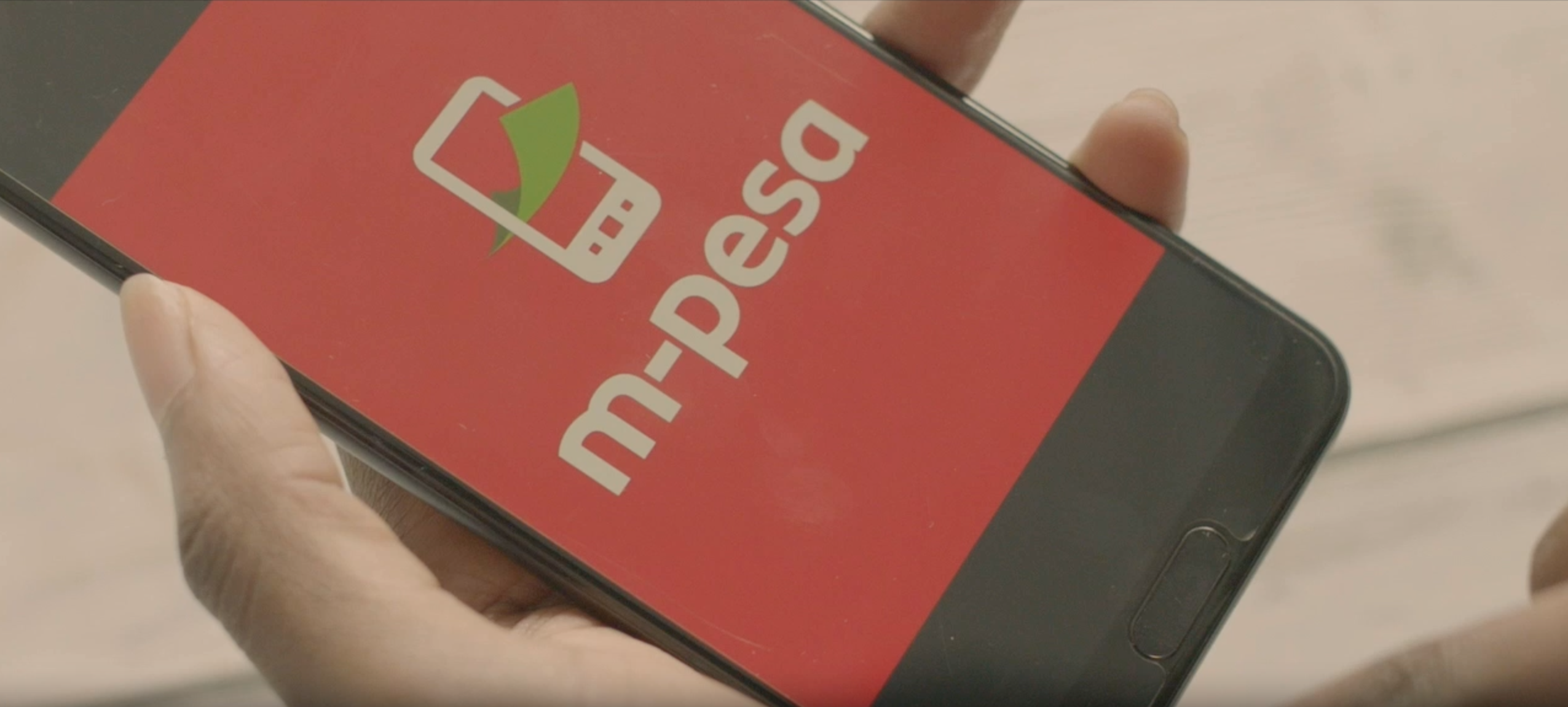
In 2025, digital wallets have become a driving force behind the transformation of the African economy. From rural towns to major cities, millions of people now rely on mobile phones for daily financial transactions. This shift is making banking more accessible, boosting local businesses, and supporting digital trade across the continent.
What Are Digital Wallets?
Digital wallets are mobile apps or platforms that allow users to store money, make payments, and send or receive funds digitally. In Africa, platforms like M-Pesa, Airtel Money, MTN MoMo, and Chipper Cash dominate the space.
These tools eliminate the need for traditional bank accounts, especially in areas where banks are few and far between.
Boosting Financial Inclusion
Before digital wallets, millions of Africans had no access to formal banking. Now, with just a mobile phone, anyone can:
- Pay bills
- Save money
- Receive wages
- Access microloans
- Send money across borders
This inclusion empowers underserved communities, especially women and youth in rural areas, to participate in the formal economy.
Enabling Mobile Commerce
Small businesses across Africa use digital wallets to receive payments from customers. Street vendors, boda boda riders, and online sellers can accept cashless payments quickly and securely. This shift boosts business efficiency and reduces theft risks linked to carrying cash.
Reducing Transaction Costs
Traditional money transfers and banking services can be expensive. Digital wallets offer low-fee or free transactions, even across borders. This helps families send remittances, supports SMEs, and enables governments to disburse aid or salaries directly.
Driving the Informal Economy Forward
Africa’s informal sector is massive—and mostly unbanked. Digital wallets bring transparency and reliability to this sector, making it easier for workers to track income, apply for loans, and build credit histories.
Supporting Cross-Border Trade
With platforms like Chipper Cash and Eversend, people can send and receive money across African borders with ease. This promotes cross-border commerce and connects regional markets without the high costs of international banks.
Enhancing Government and NGO Programs
Governments and aid agencies now use digital wallets to deliver services such as:
- Subsidies
- Health payments
- Education stipends
- Emergency relief
This reduces corruption, increases speed, and improves record-keeping.
Challenges to Address
Despite their benefits, digital wallets still face:
- Internet and power access issues
- Fraud and phishing threats
- Lack of digital literacy in some regions
- Regulatory inconsistencies between countries
Improving infrastructure and user education will help digital wallets reach their full potential.
Final Thoughts
Digital wallets are reshaping the African economy by bridging the financial gap, fueling entrepreneurship, and simplifying transactions. As fintech continues to grow, mobile money and digital wallets will remain central to Africa’s path toward inclusive, digital-driven growth.