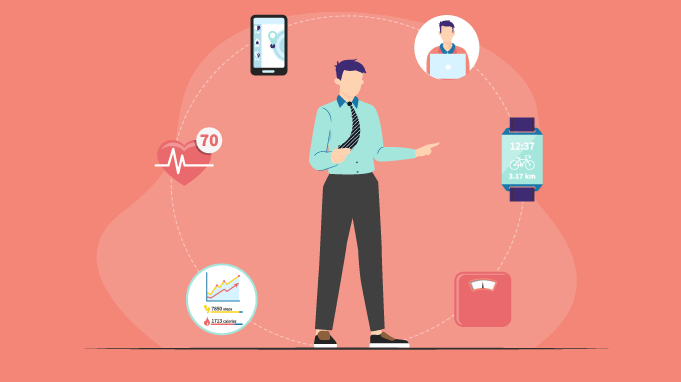
In a world where we’re constantly connected, maintaining digital wellness has become more important than ever. From smartphones to smart homes, technology improves our lives—but it also overwhelms, distracts, and burns us out if not managed properly.
Digital wellness is all about using technology in ways that support your mental, emotional, and physical health—without letting it control you.
Here’s how you can find the right balance between tech and life in 2025.
1. Set Clear Boundaries with Devices
Start by defining tech-free zones or times. For example:
- No phones at the dinner table
- Power down screens 1 hour before bed
- Use “Do Not Disturb” mode during focused work
These small changes protect your personal time and help reduce digital overload.
2. Track and Limit Screen Time
Use built-in tools like Screen Time (iOS) or Digital Wellbeing (Android) to monitor your usage. These apps give insights into how much time you spend on each app—and let you set healthy limits.
Try app blockers like Freedom or Cold Turkey to reduce distractions.
3. Prioritize Real-Life Interactions
Digital tools are great, but real conversations matter more. Make time for:
- Family dinners
- Phone-free social outings
- Outdoor activities
Face-to-face interaction improves emotional well-being and reduces dependence on virtual stimulation.
4. Practice Mindful Technology Use
Be intentional with how you use tech:
- Ask yourself why you’re opening an app
- Avoid doom-scrolling or endless browsing
- Turn off non-essential notifications
Mindful use leads to better focus, reduced anxiety, and higher productivity.
5. Schedule Digital Detoxes
Take breaks from technology weekly or monthly. A few hours—or even a full day—without screens can reset your brain and boost your mood.
Use that time to read, walk, meditate, or simply rest.
6. Use Technology to Promote Wellness
Not all tech is harmful. Use it wisely to support your goals:
- Meditation apps like Headspace or Calm
- Fitness trackers to encourage movement
- Journaling or mood-tracking apps
When used purposefully, digital tools can enhance wellness, not just distract from it.
7. Optimize Your Digital Environment
Declutter your digital space like you would a physical room:
- Unsubscribe from junk emails
- Turn off unneeded alerts
- Keep only essential apps on your home screen
This reduces stress and helps you focus only on what matters.
8. Encourage Healthy Tech Habits at Work
Employers should support digital wellness too. That means:
- Promoting realistic response times
- Encouraging breaks during the day
- Respecting time off without expecting after-hours replies
Work-life balance improves mental health and job satisfaction.
9. Protect Your Sleep
One of the biggest threats to digital wellness is disrupted sleep. Blue light from screens affects your melatonin levels, making it harder to rest.
Use night mode, cut off screens before bed, and charge your phone outside the bedroom.
10. Teach Digital Wellness Early
Help kids and teens build healthy digital habits from the start. Set screen limits, co-view content, and encourage outdoor play. Early digital boundaries lead to lifelong balance.
Final Thoughts
In 2025, achieving digital wellness isn’t about ditching devices—it’s about using them mindfully. By setting boundaries, taking breaks, and choosing tech that supports your life, you can enjoy the benefits of technology without sacrificing your well-being.