
Category: Hosting

  • Why Reliable Hosting Is Critical for Your Website’s SEO

    Why Reliable Hosting Is Critical for Your Website’s SEO

    In 2025, reliable hosting plays a major role in your website’s visibility and performance. If your site is slow, often down, or insecure, search engines will rank it lower—no matter how great your content is.

    That’s why choosing reliable hosting is not just a technical decision—it’s an SEO strategy.

    How Hosting Affects SEO

    Search engines like Google want to deliver the best results to users. They consider several performance factors when ranking websites, many of which are directly impacted by your hosting provider.

    Let’s break down why reliable hosting SEO is essential for your online success.

    1. Uptime Keeps You Visible

    Uptime refers to the amount of time your website is available and running. If your site is down when Google’s bots try to crawl it, you risk poor indexing or even being skipped altogether.

    Most reliable hosting providers offer 99.9% uptime guarantees. That means your website stays live, accessible to users—and crawlers—around the clock.

    2. Speed Improves Rankings and User Experience

    Website loading speed is a confirmed Google ranking factor. Slow-loading pages lead to:

    • Higher bounce rates
    • Lower dwell time
    • Fewer conversions

    Your host affects speed through:

    • Server type (SSD vs HDD)
    • Server location
    • Bandwidth limits
    • Cache systems

    A reliable hosting SEO setup includes fast infrastructure, content delivery networks (CDNs), and optimized server configurations to keep your site lightning-quick.

    3. Secure Hosting Builds Trust

    Google favors secure websites. That includes SSL encryption, firewall protection, and malware prevention. A reliable host will:

    • Provide free or low-cost SSL certificates
    • Protect against DDoS and brute-force attacks
    • Run regular security updates

    This keeps your site safe—and your SEO intact.

    4. Reduced Downtime Means Better Crawling

    Search engines use bots to crawl and index your content. If your site is down or unresponsive during these visits, the bots can’t access your pages. This affects how your site appears in search results.

    Reliable hosting ensures Google can crawl your site smoothly, improving your indexing frequency and overall visibility.

    5. Server Location Affects Local SEO

    If your business serves a specific region, hosting your site on servers located near your users improves load times. Faster local speeds lead to better user experience—and that helps your SEO.

    Some reliable hosting SEO providers offer geo-targeted server locations, helping you rank better in local search results.

    6. Technical Support Saves Your Rankings

    Issues like server errors, failed updates, or slow performance can hurt SEO. With reliable hosting, you get 24/7 support to resolve problems quickly—before they impact your rankings.

    Final Thoughts

    Reliable hosting SEO is more than a backend choice—it’s a vital piece of your digital strategy. Fast load times, strong uptime, and solid security all boost your rankings and improve the user experience.

    If you want better SEO results in 2025, start by choosing the right hosting provider. It’s the foundation your entire online presence is built on.

  • Green Data Centers: The Future of Sustainable Hosting

    Green Data Centers: The Future of Sustainable Hosting

    In 2025, the push for sustainability is reshaping the digital world, and green data centers are leading the change. As demand for online services grows, so does the need for energy-efficient, environmentally responsible hosting solutions.

    A green data center uses eco-friendly technologies to reduce carbon emissions, save power, and minimize its impact on the environment—without compromising performance.

    What Makes a Data Center “Green”?

    A green data center is designed to use energy more efficiently and operate with minimal environmental impact. These facilities adopt practices such as:

    • Renewable energy sources (solar, wind, hydro)
    • Efficient cooling systems
    • Low-power servers and hardware
    • Carbon offset programs
    • Smart energy monitoring tools

    The goal is to deliver high-performance hosting while reducing electricity use and greenhouse gas emissions.

    Why Green Data Centers Matter

    Traditional data centers consume massive amounts of power. As more websites, apps, and cloud services emerge, the global energy demand increases.

    Green data centers help solve this by:

    • Lowering operating costs through energy efficiency
    • Supporting corporate sustainability goals
    • Reducing carbon footprints
    • Meeting environmental regulations
    • Promoting brand reputation

    Businesses that use green hosting contribute to global climate goals while gaining a competitive edge.

    Benefits for Businesses

    Choosing a hosting provider with green data centers offers several benefits:

    1. Lower Energy Costs

    Efficient power and cooling systems cut down electricity bills.

    2. Compliance with Green Standards

    Green hosting helps meet regulatory requirements and ESG (Environmental, Social, and Governance) targets.

    3. Positive Brand Image

    Eco-conscious companies attract modern consumers who care about sustainability.

    4. Enhanced Reliability

    Many green facilities use cutting-edge tech for performance, including AI-powered cooling and renewable backup systems.

    Technologies Powering Green Hosting

    Several innovations are making green data centers possible:

    • Liquid cooling instead of traditional air systems
    • AI-based energy optimization
    • Solar panel arrays for power supply
    • Modular designs that reduce waste
    • Battery storage and smart grids

    These advances not only reduce environmental impact but also improve data center performance.

    Africa’s Role in Green Hosting

    African nations are beginning to adopt green infrastructure. Countries like Kenya, South Africa, and Rwanda are seeing investment in green data centers, thanks to abundant solar resources and rising demand for cloud services.

    These developments support both digital growth and environmental sustainability across the continent.

    Final Thoughts

    Green data centers are shaping the future of sustainable hosting. They combine performance, innovation, and environmental responsibility—making them a smart choice for any business looking to grow sustainably.

    As digital demand increases, so does our responsibility to host smarter. Choosing eco-friendly hosting is not only good for the planet—it’s good for business.

  • Managed vs Unmanaged Hosting: What’s Best for Your Business?

    Managed vs Unmanaged Hosting: What’s Best for Your Business?

    Choosing between managed vs unmanaged hosting is a key decision for any business building an online presence. Your choice will impact how your website performs, how much control you have, and how much support you receive.

    Whether you’re a startup, e-commerce store, or growing enterprise, understanding the differences can help you choose the best hosting environment for your needs.

    What is Managed Hosting?

    Managed hosting means your hosting provider handles most of the technical work. This includes server setup, security updates, backups, software installation, and performance monitoring. It’s ideal for businesses without a dedicated IT team.

    Benefits of Managed Hosting:

    • 24/7 technical support
    • Automatic updates and security patches
    • Regular backups
    • Performance optimization
    • Reduced risk of downtime

    Managed hosting saves time and reduces the stress of managing servers, making it perfect for businesses that prefer focusing on growth and content rather than technical maintenance.

    What is Unmanaged Hosting?

    Unmanaged hosting gives you full control over your server, but you’re also responsible for maintaining it. This includes installing software, managing updates, configuring firewalls, and handling security.

    Benefits of Unmanaged Hosting:

    • Full server control
    • Custom software configurations
    • Lower monthly cost
    • Better for experienced developers and sysadmins

    This option suits businesses with in-house IT teams or technical founders who want complete flexibility over their server environment.

    Key Differences at a Glance

    FeatureManaged HostingUnmanaged Hosting
    Technical SupportIncluded 24/7Limited or none
    Server MaintenanceProvider handles itYou handle it
    Security & BackupsManaged by providerYour responsibility
    CostHigher monthly feeLower monthly fee
    CustomizationLimitedFull control
    Best ForNon-tech businessesTech-savvy users

    Which One Is Best for Your Business?

    If your business lacks technical expertise or wants to avoid server management, managed hosting is the better choice. It allows you to focus on running your business while professionals handle the backend.

    If you need specific configurations, have an IT team, or want full server control, unmanaged hosting gives you that freedom—at the cost of time and responsibility.

    When to Upgrade to Managed Hosting

    • You’re scaling your website traffic
    • You need high uptime and security
    • Your team is non-technical
    • You want reliable customer support

    Final Thoughts

    The choice between managed vs unmanaged hosting depends on your business needs, technical skills, and growth plans. Managed hosting offers peace of mind and simplicity, while unmanaged hosting gives you control and cost savings.

    Understanding your goals and capabilities will help you pick the right hosting plan—and ensure your website stays fast, secure, and scalable in 2025.

  • How Cloud Hosting Can Transform African Startups in 2025

    How Cloud Hosting Can Transform African Startups in 2025

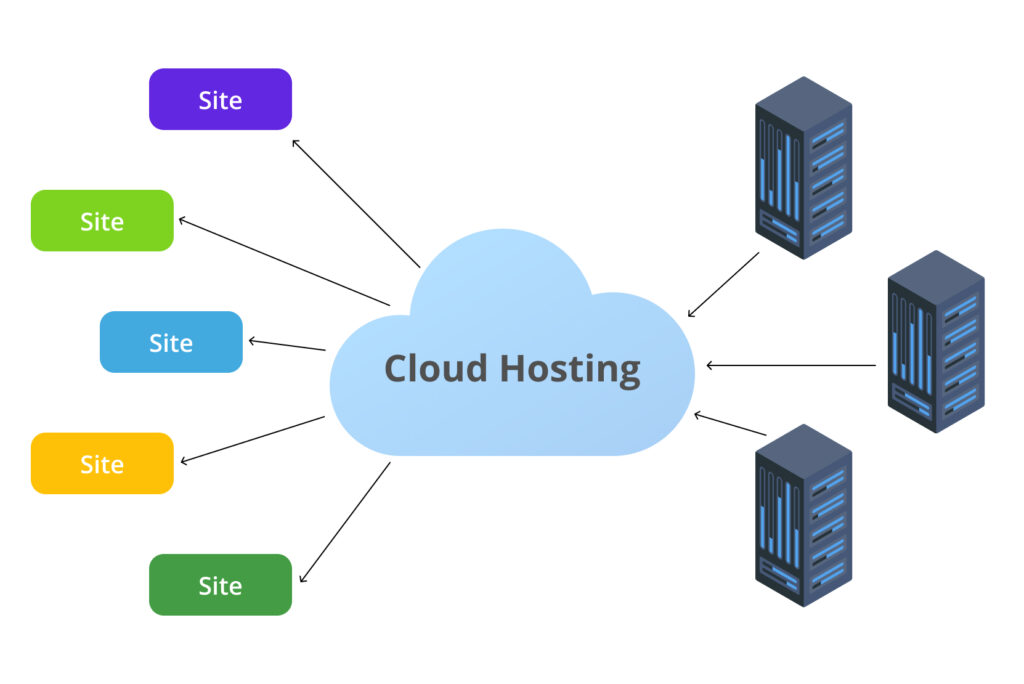
    In 2025, cloud hosting is emerging as a game-changer for African startups, offering scalable, cost-effective, and secure IT infrastructure. By leveraging cloud solutions, new ventures across the continent can access the tools they need to compete globally without investing heavily in hardware or maintenance.

    Why Cloud Hosting Matters for Startups in Africa

    Cloud Hosting African Startups is not just a trend—it’s a critical shift. Most startups operate with limited budgets, lack robust tech teams, and need infrastructure that grows with them. Traditional on-premise servers come with high upfront costs and require constant maintenance. Cloud hosting, on the other hand, provides:

    • Pay-as-you-go pricing models
    • Scalable server capacity
    • Faster deployment
    • Minimal downtime
    • Enhanced data security

    This allows startups to focus on innovation and customer acquisition rather than IT constraints.

    Scalability: The Growth Accelerator for Startups

    One of the biggest advantages of cloud hosting for African startups is scalability. Startups can begin with minimal resources and scale up as demand increases. This flexibility helps them avoid over-investment in infrastructure before product-market fit is achieved.

    For instance, an e-commerce platform in Lagos can handle traffic spikes during sales events without crashing—thanks to cloud elasticity. This reliability enhances user experience and brand trust.

    Cost Efficiency: Minimize Capital Expenditure

    Traditional hosting often requires massive upfront investment in physical servers. Cloud hosting eliminates these costs. Instead, startups pay only for the resources they use, shifting IT spending from CapEx to OpEx.

    This cost-saving model is especially beneficial in African markets, where access to capital can be limited. With reduced entry barriers, more entrepreneurs can launch innovative tech products.

    Enhanced Security and Data Protection

    Cyber threats continue to rise, and many startups lack the expertise to protect their data. Reputable cloud hosting providers offer advanced security features such as:

    • End-to-end encryption
    • Regular backups
    • Firewalls and intrusion detection
    • Compliance with data protection laws

    These built-in protections free startups from managing security manually, allowing them to meet regulatory standards without hiring cybersecurity teams.

    Speed and Performance Boost

    Cloud hosting infrastructure is optimized for high performance. Startups enjoy:

    • Low-latency access
    • Fast loading times
    • Redundancy through CDNs (Content Delivery Networks)

    This ensures web apps, SaaS platforms, and digital services run smoothly for users across Africa and globally.

    Supporting Innovation and Remote Collaboration

    In 2025, remote work remains a key business model. Cloud hosting supports this by offering:

    • Remote server access
    • Seamless integration with collaboration tools
    • 24/7 accessibility

    Developers, marketers, and teams from different locations can collaborate in real time, accelerating product development and time-to-market.

    Examples of Cloud Success in African Startups

    Startups such as Flutterwave, Paystack, and Andela have successfully scaled with cloud technology. They harness cloud platforms like AWS, Google Cloud, and Azure to manage millions of transactions and users with stability and speed.

    These case studies highlight how Cloud Hosting African Startups isn’t just theoretical—it’s a proven pathway to hyper-growth.

    Choosing the Right Cloud Hosting Provider

    Startups should assess providers based on:

    • Local data center availability
    • Pricing transparency
    • Uptime guarantees
    • Customer support quality
    • Compliance with local laws

    For example, providers offering data centers in Nairobi, Cape Town, or Lagos reduce latency for African users and ensure adherence to regional regulations.

    Final Thoughts: Future-Proofing African Innovation

    As the African startup ecosystem expands in fintech, healthtech, edtech, and e-commerce, cloud hosting will remain central to success. It empowers founders to launch lean, scale fast, and stay secure—all while serving a growing digital-first customer base.

    In short, Cloud Hosting African Startups is not just enabling growth—it’s transforming the way business is built across the continent.