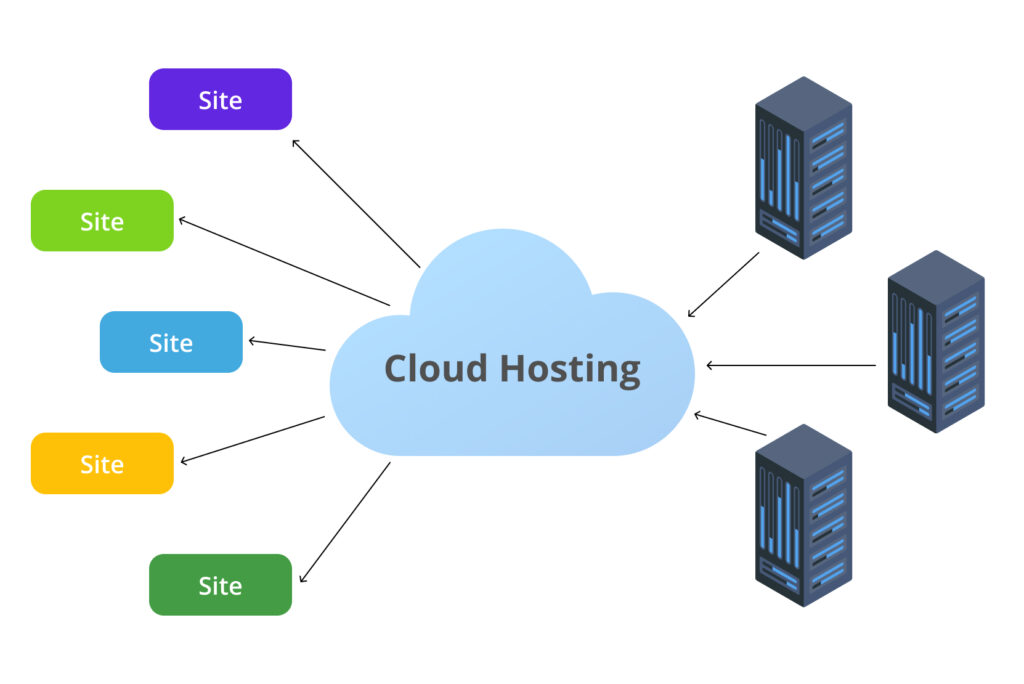
Choosing between managed vs unmanaged hosting is a key decision for any business building an online presence. Your choice will impact how your website performs, how much control you have, and how much support you receive.
Whether you’re a startup, e-commerce store, or growing enterprise, understanding the differences can help you choose the best hosting environment for your needs.
What is Managed Hosting?
Managed hosting means your hosting provider handles most of the technical work. This includes server setup, security updates, backups, software installation, and performance monitoring. It’s ideal for businesses without a dedicated IT team.
Benefits of Managed Hosting:
- 24/7 technical support
- Automatic updates and security patches
- Regular backups
- Performance optimization
- Reduced risk of downtime
Managed hosting saves time and reduces the stress of managing servers, making it perfect for businesses that prefer focusing on growth and content rather than technical maintenance.
What is Unmanaged Hosting?
Unmanaged hosting gives you full control over your server, but you’re also responsible for maintaining it. This includes installing software, managing updates, configuring firewalls, and handling security.
Benefits of Unmanaged Hosting:
- Full server control
- Custom software configurations
- Lower monthly cost
- Better for experienced developers and sysadmins
This option suits businesses with in-house IT teams or technical founders who want complete flexibility over their server environment.
Key Differences at a Glance
| Feature | Managed Hosting | Unmanaged Hosting |
|---|---|---|
| Technical Support | Included 24/7 | Limited or none |
| Server Maintenance | Provider handles it | You handle it |
| Security & Backups | Managed by provider | Your responsibility |
| Cost | Higher monthly fee | Lower monthly fee |
| Customization | Limited | Full control |
| Best For | Non-tech businesses | Tech-savvy users |
Which One Is Best for Your Business?
If your business lacks technical expertise or wants to avoid server management, managed hosting is the better choice. It allows you to focus on running your business while professionals handle the backend.
If you need specific configurations, have an IT team, or want full server control, unmanaged hosting gives you that freedom—at the cost of time and responsibility.
When to Upgrade to Managed Hosting
- You’re scaling your website traffic
- You need high uptime and security
- Your team is non-technical
- You want reliable customer support
Final Thoughts
The choice between managed vs unmanaged hosting depends on your business needs, technical skills, and growth plans. Managed hosting offers peace of mind and simplicity, while unmanaged hosting gives you control and cost savings.
Understanding your goals and capabilities will help you pick the right hosting plan—and ensure your website stays fast, secure, and scalable in 2025.
Leave a Reply