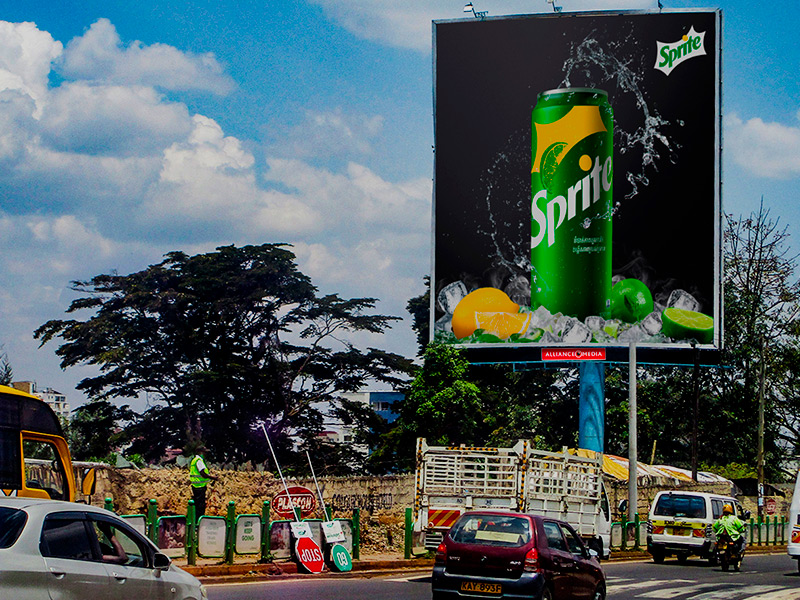
In a world dominated by digital media, outdoor advertising continues to stand tall—literally. Whether it’s a towering billboard on a highway or a digital screen in a shopping mall, outdoor ads deliver high-impact messages that brands can’t ignore. But what exactly is outdoor advertising, and why is it still a powerful marketing tool in 2025?
Defining Outdoor Advertising
Outdoor advertising, also known as out-of-home (OOH) advertising, is any form of advertising that reaches people when they’re outside their homes. It’s designed to catch attention quickly, often in seconds, and leave a lasting impression.
Unlike online ads, which can be skipped or blocked, outdoor ads are always visible. They’re part of your daily routine—on your commute, during shopping, or while waiting at a bus stop.
Key Types of Outdoor Advertising
- Billboards: Large, static or digital displays along highways or urban streets.
- Transit Advertising: Placed on buses, taxis, trains, or subways.
- Street Furniture Ads: Found on benches, kiosks, and public facilities.
- Posters & Banners: Hung on poles, walls, or fences.
- Digital Screens: LED or LCD displays in high-foot-traffic zones.
- Wall Murals & Wraps: Massive visuals covering building exteriors.
Why Outdoor Advertising Still Works
- Massive Reach: Outdoor ads can reach thousands or even millions of people daily.
- Geographic Targeting: Perfect for local promotions and area-specific campaigns.
- Constant Visibility: Unlike online ads, OOH runs 24/7 with no ad blockers.
- Supports Other Campaigns: Outdoor ads reinforce digital, radio, and TV campaigns.
- Trust Factor: Consumers often view OOH ads as more credible and less intrusive.
Outdoor Advertising in Africa
In many African cities, outdoor advertising plays a crucial role in reaching consumers who may not be online all day. Billboards, wall posters, and transit ads dominate urban landscapes from Nairobi to Lagos. The rise of digital billboards is also transforming how messages are delivered with real-time content and motion graphics.
Best Practices for Outdoor Advertising
- Keep it simple: Bold visuals and minimal text work best.
- Be location-smart: Place ads where your audience is most active.
- Go local: Use language and imagery that resonates with the community.
- Use QR codes: Connect offline viewers to online content instantly.
- Test and monitor: Rotate messages and track engagement through traffic patterns or nearby store visits.
Final Thoughts
Outdoor advertising remains one of the most reliable and powerful tools for brand awareness and market reach. When done right, it captures attention, builds trust, and drives real-world results. In a noisy digital age, outdoor ads break through the clutter—loud and clear.
Leave a Reply