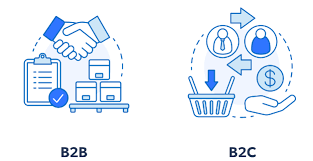
Business partnerships are powerful growth tools, but not all partnerships are the same. In 2025, understanding the difference between B2B vs B2C partnerships helps you align your goals, strategy, and expectations more effectively. Whether you’re selling to businesses or directly to consumers, the right type of partnership can expand your reach and boost your revenue.
What is a B2B Partnership?
A B2B (business-to-business) partnership is formed between two companies. These partnerships typically involve long-term collaborations like service integrations, reseller agreements, or co-branded offerings.
Examples include:
- A software company partnering with a digital agency
- A logistics provider teaming up with an e-commerce brand
- A fintech startup integrating with accounting platforms
What is a B2C Partnership?
B2C (business-to-consumer) partnerships focus on reaching individual customers through shared marketing, bundling, or influencer-driven collaborations.
Examples include:
- A fashion brand partnering with a local celebrity
- A telecom company bundling services with a music streaming app
- A food delivery service partnering with a fitness app for promotions
Key Differences Between B2B and B2C Partnerships
1. Target Audience
- B2B: Focuses on decision-makers like CEOs, procurement officers, or department heads.
- B2C: Targets end-users or consumers who make personal buying decisions.
2. Sales Cycle
- B2B: Longer and more complex with multiple stakeholders involved.
- B2C: Shorter and emotion-driven with quick purchase decisions.
3. Relationship Structure
- B2B: Built on long-term trust, consistent communication, and performance-based results.
- B2C: Centered around brand image, popularity, and emotional appeal.
4. Content and Communication
- B2B: Focuses on logic, ROI, and detailed value propositions.
- B2C: Focuses on storytelling, emotion, and product benefits.
5. Metrics for Success
- B2B: Customer lifetime value, contract renewals, and strategic alignment.
- B2C: Sales volume, customer acquisition cost, and brand awareness.
When to Choose a B2B Partnership
- You sell products or services to other businesses
- You want to co-develop products, integrate services, or expand distribution
- You value long-term contracts and recurring revenue
- You need industry-specific credibility or technical integration
When to Choose a B2C Partnership
- You want to expand your consumer reach quickly
- You plan influencer campaigns or limited-time promotions
- You focus on high-volume, short-term sales
- You want to enhance your lifestyle brand presence
Combining Both Models
Some companies use both types of partnerships to grow. For example, a healthtech company might form B2B partnerships with hospitals and B2C partnerships with fitness influencers. The key is aligning each with the right objective.
Final Thoughts
Knowing the differences between B2B vs B2C partnerships allows you to pick the right approach for your business model. B2B builds depth, long-term value, and integration. B2C builds scale, visibility, and consumer loyalty. The smartest businesses in 2025 often find a way to balance both.
Leave a Reply